Sacred Atlasthe scriptures of the world, laid side by side
The Bible, the Qur'an, the Torah, the Bhagavad Gita, the Dhammapada, the Tao Te Ching, and the Vedas — under one gilt cover, with an atlas that pins every place named and an echo-index that finds the same verse across traditions.
First time? The “Start here” path picks five guided routes — by what brings you in.
“What you do not want done to yourself, do not do to others.”
Walk a scripture, day by day.
The 15 corpora.
- IThe Bible — Old + New Testament (KJV, 1611)
- IIThe Torah — The first five books (JPS / KJV)
- IIIThe Qur'an — Arabic with English translation
- IVBhagavad Gita — Selections — Sir Edwin Arnold (1885)
- VUpanishads — F. Max Müller (1879–1884)
- VIVedas — Rigveda — selected hymns (Griffith)
- VIIDhammapada — F. Max Müller translation (1881)
- VIIITao Te Ching — James Legge translation (1891)
- IXThe Analects — James Legge translation (1893) — curated selections
- XAvesta — James Darmesteter (1880–1887)
- XIBook of Mormon — Curated selections, 1830 edition
- XIIApocrypha — Gospel of Thomas + 1 Enoch, Book of the Watchers
- XIIIMahabharata — Selections from the Adi Parva (Ganguli, 1883–96)
- XIVGilgamesh — The flood tablet from George Smith's 1876 Chaldean Account of Genesis
- XVCode of Hammurabi — Babylonian law code, c. 1754 BCE — C.H.W. Johns translation (1903)
Watch the ideas propagate.
Every scripture pinned to its best-guess date, every gilt arc a parallel — a story or teaching that travels between traditions. Trace the flood from Gilgamesh to Genesis, the golden rule from Analects to Torah to Matthew to Dhammapada.

Three openings, chosen for today.
Strait Is the Gate
This parallel examines the motif of the restricted entrance to the divine realm, contrasting the ethical exclusivity found in the Synoptic Gospels with the eschatological procession into the opened gates of Paradise in the Qur'an and the liturgical invocation of gates in the Psalms. While Christianity emphasizes the difficulty of entry as a function of moral rigor and the singular nature of the path, Islamic texts focus on the divine initiative of opening the gates for the righteous, often accompanied by angelic salutations. Jewish tradition, particularly in the Psalms, utilizes the gate imagery primarily in a liturgical context for the entry of the King of Glory, though later rabbinic exegesis sometimes interprets the 'gates of righteousness' as requiring specific ethical preparation.
The Stone
Rock as foundation, as witness, as the thing the builders refused — every tradition makes stone the silent counsel against forgetfulness.
“The LORD is my shepherd; I shall not want.”— Psalm 23:1
The same river, seen from different banks.
Noah and Nuh. Jesus and Isa. Moses and Musa. Every tradition has its own telling — heard together, they rhyme.
Six lives, many scriptures.
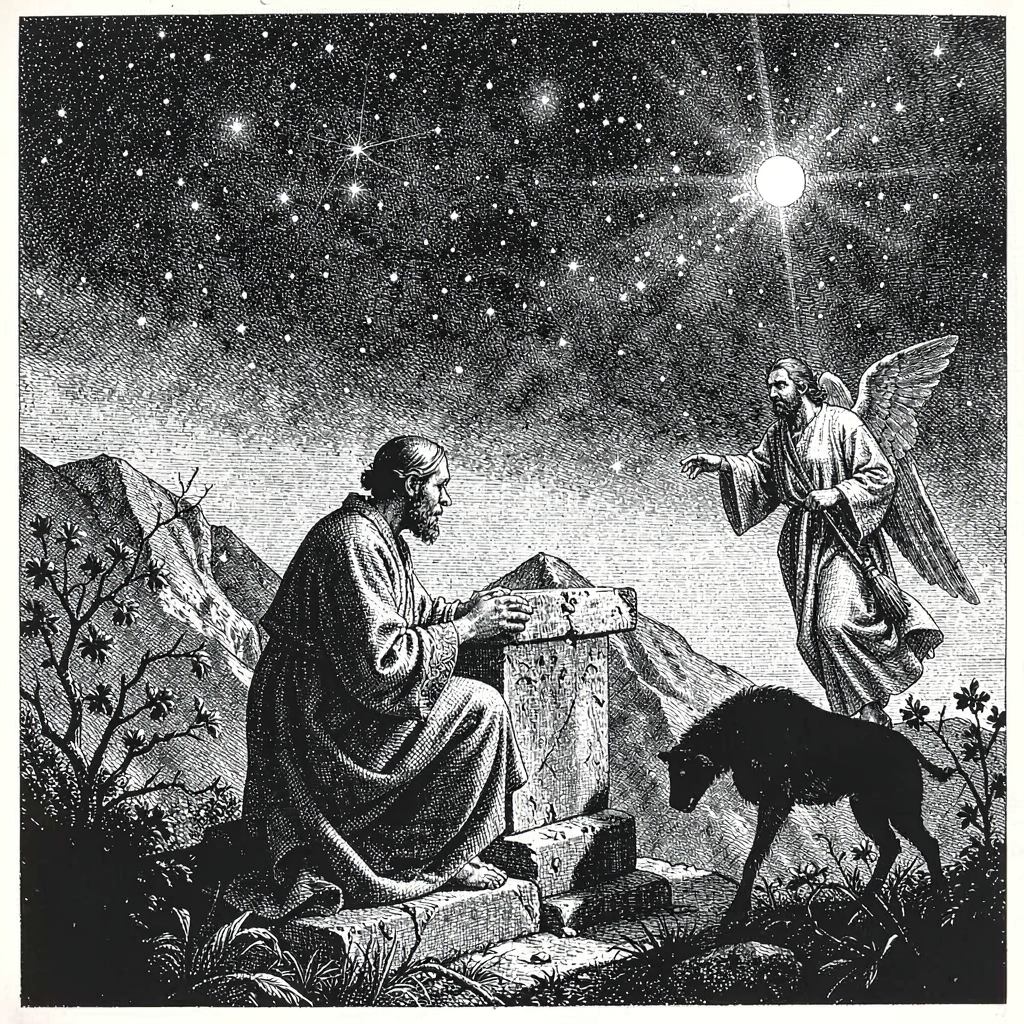
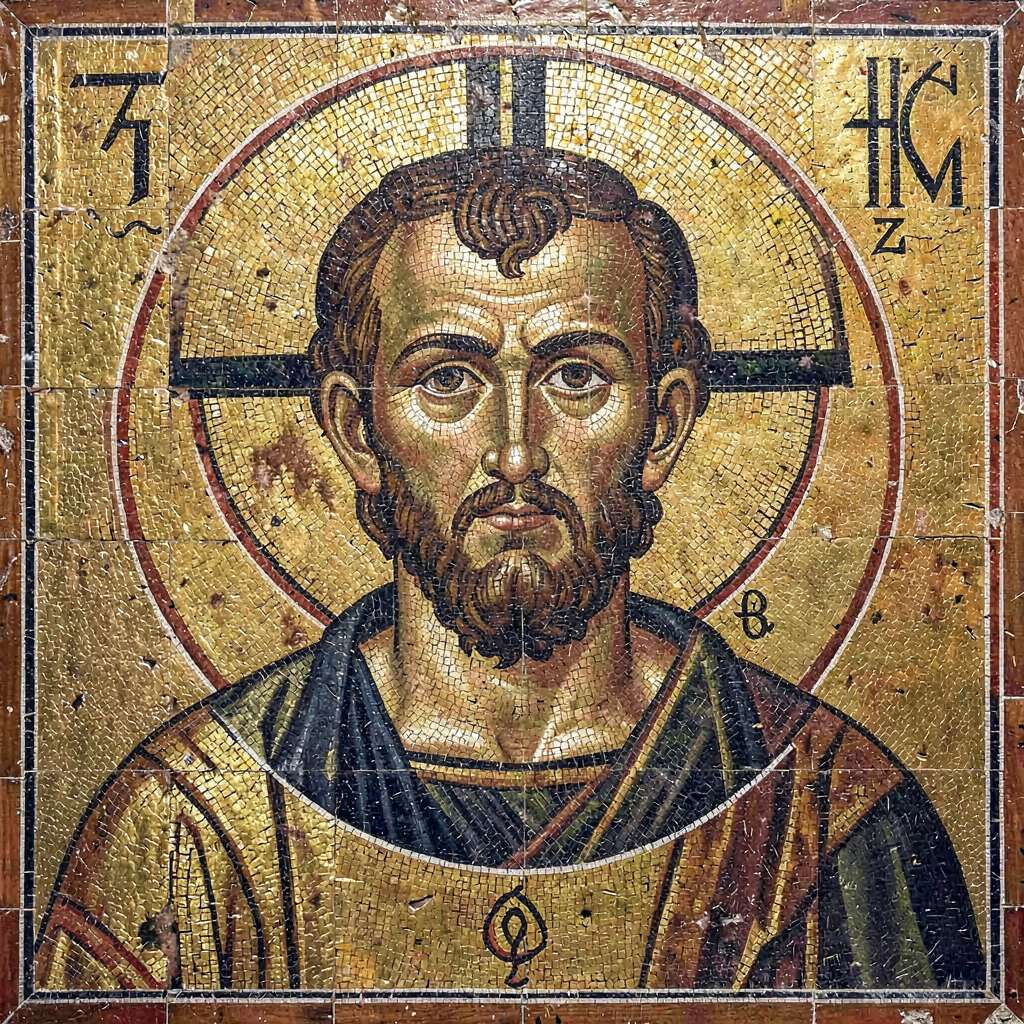

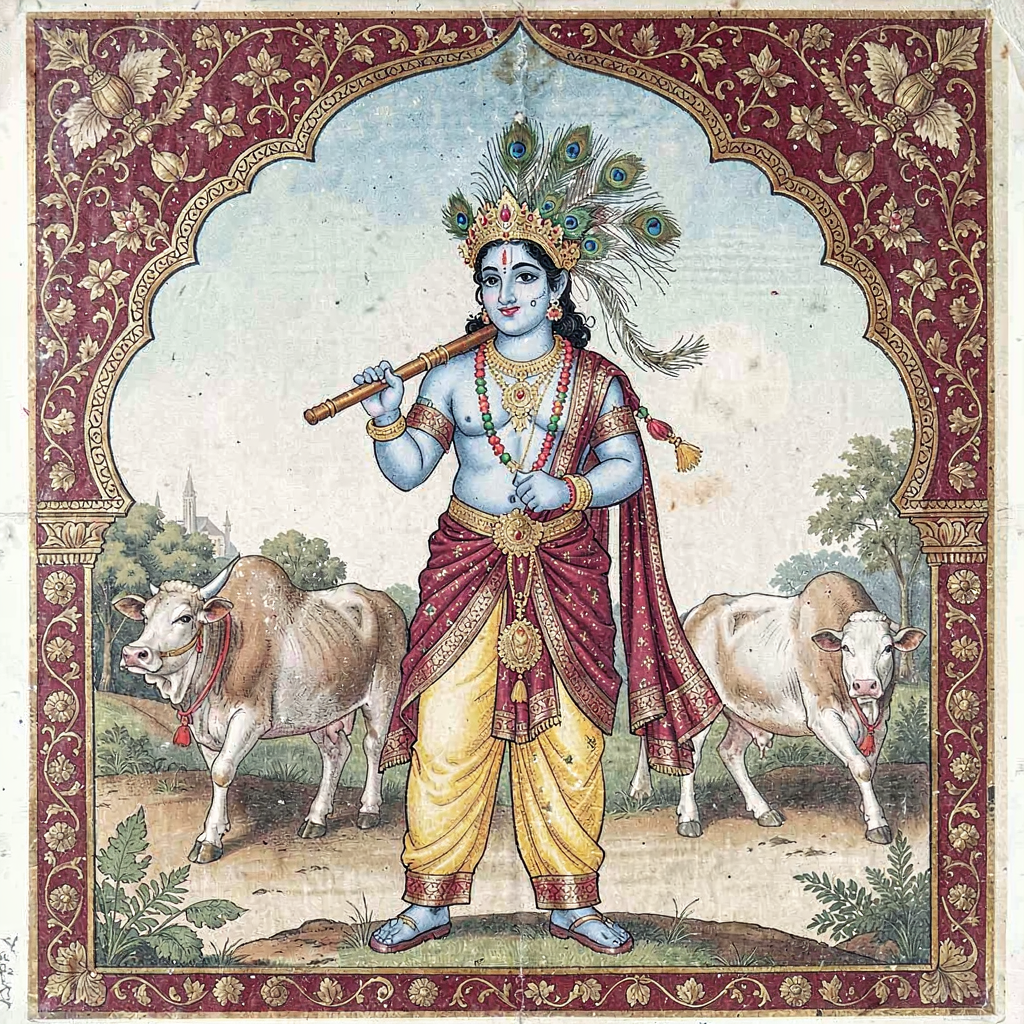
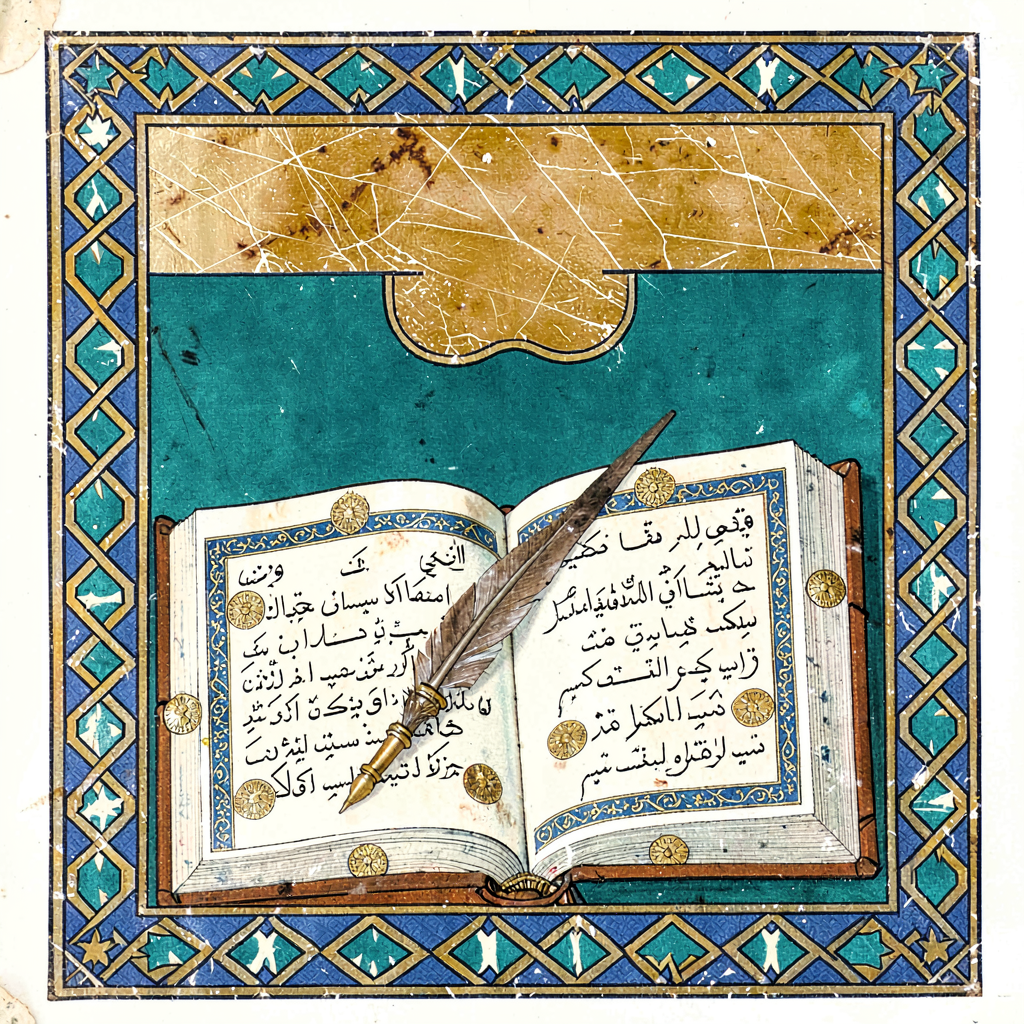
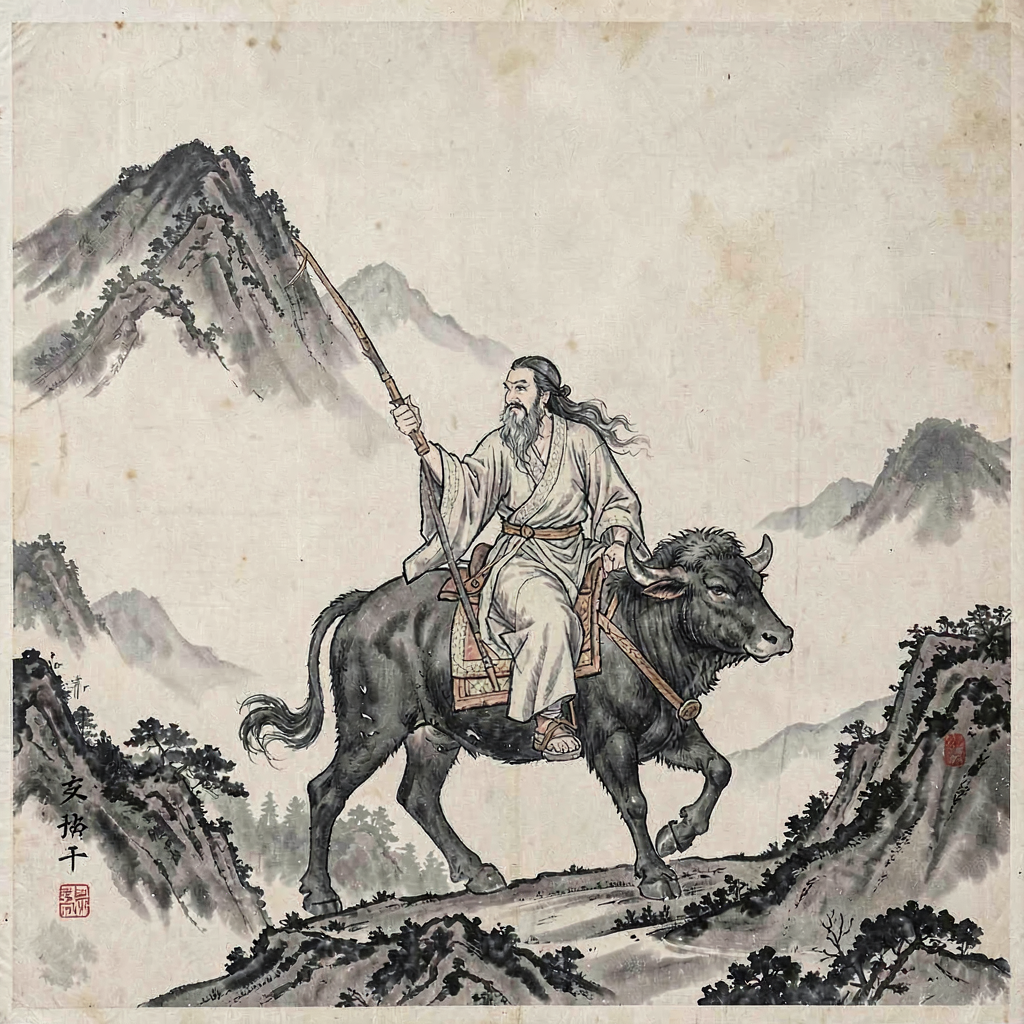
316 cards to unlock.
Every chapter you read reveals the figures, places, and stories it names. Legendary cards hide in the most famous verses — the first words of Genesis, the Shema, the Logos, the Four Noble Truths. Read to find them.
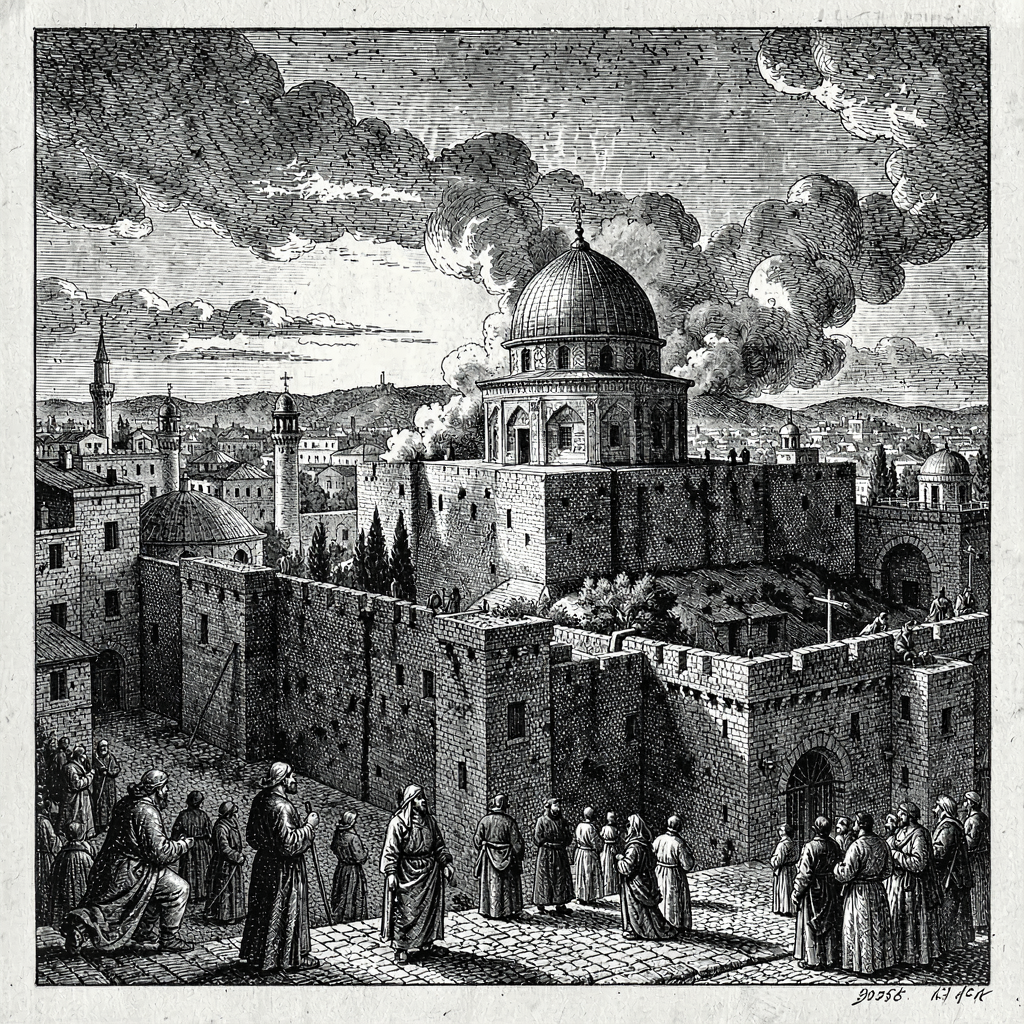
Where scripture touches the earth.
An old-world map pinning 63 places named in sacred texts. Each pin opens the passages set there.
“Of making many books there is no end; and much study is a weariness of the flesh.”
An academic comparison, not a devotion and not a debate. Every translation here is public domain or openly licensed; every editorial note is open to correction.