Judaism
Psalms
“The stone which the builders refused is become the head stone of the corner.”
This motif identifies a figure or entity despised by established authorities who is subsequently exalted by divine agency, serving as a cornerstone of a new order. While Judaism and Christianity explicitly utilize the architectural metaphor of a 'stone' to describe this reversal, Islam articulates the same theological pattern through the narrative of prophets rejected by their communities yet vindicated by God. Scholars note that the Christian application of this text to Jesus represents a christological reading of the Hebrew Psalms, whereas the Islamic tradition emphasizes the historical continuity of prophetic rejection without necessarily employing the specific stone imagery in the same typological manner.
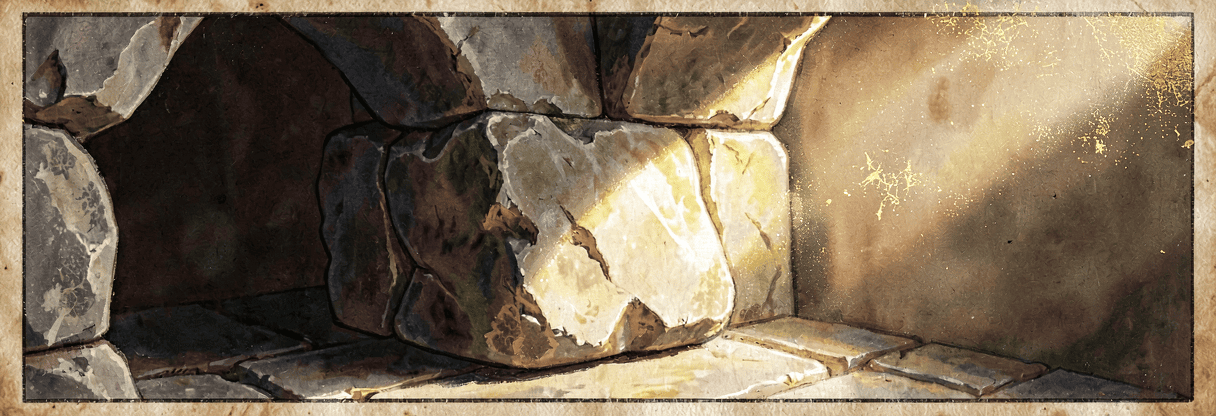
The motif of the rejected stone serves as a profound theological pivot across Abrahamic traditions, illustrating a consistent divine pattern where human rejection is overturned by heavenly vindication. In the Hebrew Bible, Psalm 118:22 declares, "The stone which the builders refused is become the head stone of the corner," originally reflecting a national hope for Israel's restoration or a Davidic king's exaltation following humiliation. This collective metaphor finds a distinct christological application in the New Testament, where Matthew 21:42 records Jesus applying this text to himself, transforming the architectural image into a soteriological claim: the crucified Messiah becomes the spiritual foundation of a new order. Here, the rejection is personal, and the reversal is resurrection. Conversely, the Qur'an articulates this same dynamic of rejection and divine retribution without relying on the specific stone imagery. Instead, narratives such as that of the people of Thamud in Surah Hud (11:59) emphasize the historical continuity of prophets being denied by their communities, followed by inevitable divine punishment. While Judaism and Christianity utilize the stone as a typological cornerstone for a restored entity, Islam focuses on the moral certainty that denying a messenger invites destruction. Thus, while the architectural metaphor varies, the underlying theological assertion remains unified: human authority is provisional, and divine agency ultimately establishes the true foundation.
In the Hebrew Bible, the stone is often interpreted as a metaphor for the nation of Israel or a Davidic king, emphasizing national restoration rather than individual messianism. The focus remains on the collective identity of the people being restored by Yahweh after a period of humiliation.
Christian exegesis explicitly identifies the rejected stone as Jesus of Nazareth, applying the Psalm to his crucifixion and resurrection. This reading transforms the national metaphor into a soteriological claim where the individual Messiah becomes the spiritual foundation of the Church.
The Qur'anic parallel focuses on the historical pattern of prophets being denied by their people, as seen in the stories of Noah and Hud, rather than using the specific stone metaphor. The theological emphasis is on the inevitability of divine punishment for those who reject the messenger, rather than the architectural imagery of a cornerstone.
The figure who rejects wisdom out of pride and pays the price — every tradition treats him not as comic relief but as cautionary tale.
The downcast face — every tradition treats shame as both wound and beginning, the soul's first honest accounting.
Unshaken foundation — every tradition names the divine as the Rock under the feet of the faithful and the cleft in which the soul is hid.
No one has written anything here yet. Some places to begin:
Sign in to join the discussion.